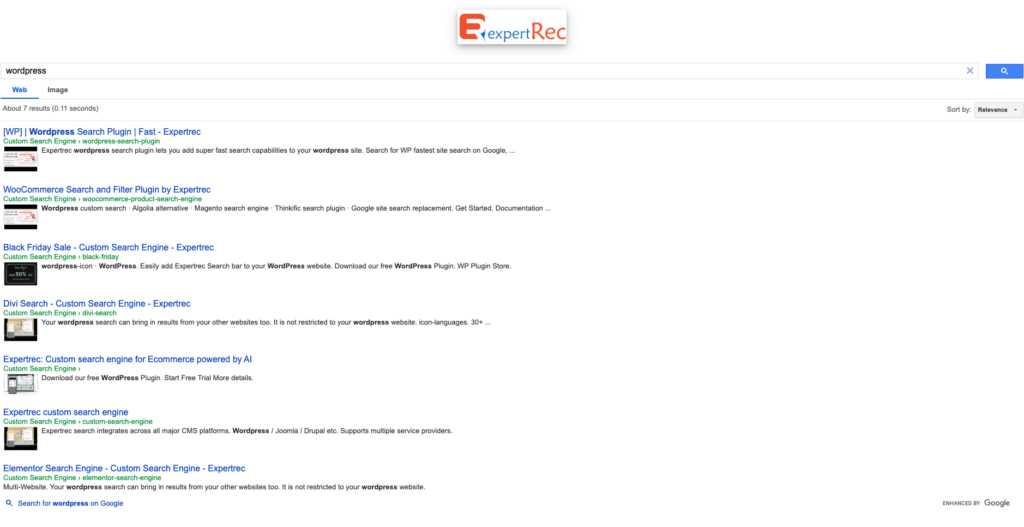
Adding a Google search bar to your website can significantly enhance your visitors’ browsing experience and improve site navigation. A search bar allows visitors to quickly find the content they are looking for – and that is one of the best ways to keep new users coming back. Searchability is at the core of making any website more user-friendly and efficient. Whether you need a google search engine html code snippet or want to add a search bar to your website using a no-code approach, this guide covers everything. This method works with major CMSs such as WordPress, Ghost, Drupal, Joomla, and static HTML sites.
On-site search is a crucial technology for any website – it allows users to search for content inside your site and helps you reorganize your content strategy to match what people are actually looking for. A google search box for website is popular because it is easy to implement and reliable. Assuming your site is crawled by GoogleBot, below we explore a step-by-step guide to adding a Google search bar to your website, its limitations, and a better modern alternative.
How to Add a Google Search Bar to Your Website
Step 1: Sign in to the Control Panel using your Google Account (you need a Google account to get started).
Step 2: Enter the name of your search engine. You can change this name at any time.
Step 3: Click Create and that’s it.
With this, your basic search engine is ready to use! You can configure search features, UI look, and Google ads later.
Note: cse.google.com is the old URL and Control Panel is the new one. There will be a link to preview search or navigate to basic settings > Public URL: https://cse.google.com/cse?cx=67d0040d2a5004c34
Step 4: Add the following google search engine html code to your site:
If you enable ads inside Google Custom Search, you can make money from AdSense.
Quick setup – you can use Google search engine on your website within minutes.
Limitations of Google Programmable Search Engine
While it’s free and easy to add Google search to your website, Google Programmable Search Engine (PSE) comes with significant drawbacks that can hurt your site’s user experience and revenue:
Competitor ads in results – The free tier displays Google Ads in your search results. If your site sells shoes from Brand X, Google may show ads for competitor Brand Y above your own products. This can drive visitors away and directly reduce your conversions.
No autocomplete or search suggestions – Google PSE does not offer type-ahead suggestions. Users have to type their full query and hit enter, which increases friction and lowers search engagement.
Minimal UI customization – You get limited control over fonts, colors, and layout. The search results page often looks out of place on a carefully designed website.
No search analytics – Google PSE provides no dashboard to see what users are searching for, which queries return zero results, or what content gaps exist. You’re flying blind.
No JavaScript rendering – If your site is a single-page application (SPA) built with React, Angular, or Vue, Google PSE may fail to index dynamically rendered content.
No control over indexing schedule – You cannot force a re-crawl. For e-commerce sites, product updates won’t appear in search results until Google re-indexes your pages.
No voice search – There is no built-in voice search capability.
Service continuity risk – Google has discontinued similar products before (Google Site Search, Google Search Appliance). There’s no guarantee PSE will remain available long-term.
No real-time support – There is no dedicated support channel; you rely on community forums.
Better Alternative: ExpertRec Search Bar for Your Website
If you want to add a search bar to your website without the limitations above, ExpertRec offers a modern, purpose-built site search solution. Setup takes the same 5 minutes – just add a code snippet to your site – but you get a far more powerful search experience.
Why site owners switch from Google PSE to ExpertRec:
No ads, ever – Your search results only show your content. No competitor ads stealing your traffic.
Built-in autocomplete and search suggestions – Users see instant results as they type, reducing friction and improving engagement.
Full search analytics dashboard – See top queries, zero-result queries, click-through rates, and trending searches. Use this data to improve your content strategy.
Custom UI and styling – Match the search bar and results page to your brand with full CSS control over colors, fonts, layout, and result cards.
JavaScript rendering support – ExpertRec crawls and indexes SPA content built with React, Angular, Vue, and other JS frameworks.
Real-time indexing – Push content updates and see them reflected in search results immediately.
Dedicated support – Get real-time help via email and chat to launch your site search.
Whether you use Google search engine on your website or a third-party solution, follow these best practices to maximize search effectiveness:
1. Place the Search Bar Where Users Expect It
The search bar should be in the top-right corner of your header or centered prominently on the page. Studies show that users look for search in the header area first. Avoid burying it in footers or sidebars where it goes unnoticed.
2. Make It Mobile-Responsive
Over 60% of web traffic comes from mobile devices. Your search bar must be touch-friendly, properly sized for small screens, and display results in a mobile-optimized layout. Test on multiple screen sizes before going live.
3. Enable Autocomplete and Suggestions
Autocomplete reduces typing effort and guides users toward content that exists on your site. This is especially important for e-commerce sites where product names can be long or easy to misspell. Autocomplete can increase search conversion rates by 24% according to Baymard Institute research.
4. Track Search Analytics
Monitor what your visitors are searching for. Zero-result queries reveal content gaps – topics you should create pages for. Top queries show what your audience cares about most. Without analytics, you cannot improve your search or content strategy.
5. Keep Results Relevant and Fast
Search results should load in under 500 milliseconds. Users abandon slow searches. Ensure your search solution indexes your most important pages and ranks them appropriately.
Sign in to Google Programmable Search Engine, create a new search engine for your domain, and paste the generated JavaScript code snippet into your website’s HTML. The setup takes about 5 minutes and works with WordPress, Drupal, Joomla, and static HTML sites.
Is Google Programmable Search Engine free?
Yes, Google Programmable Search Engine is free to use. However, the free tier displays Google Ads in your search results, which may include competitor advertisements. There is no ad-free tier available from Google.
Does Google Programmable Search Engine have autocomplete?
No, Google Programmable Search Engine does not include autocomplete or type-ahead search suggestions. Users must type their full query and press enter. For autocomplete functionality, you need a third-party site search solution like ExpertRec.
What is the best alternative to Google search bar for a website?
ExpertRec is a popular alternative that offers ad-free search results, built-in autocomplete, a search analytics dashboard, full UI customization, and JavaScript rendering support. Plans start at $49/month for content search.
Where should I place the search bar on my website?
Place the search bar in the top-right corner of your website header or centered prominently at the top of the page. Users expect to find site search in the header area. Ensure it is visible on both desktop and mobile layouts without requiring users to scroll.
New Melchizedec
ExpertRec Search CTO.
Ex-Google Web Search and Google Translate